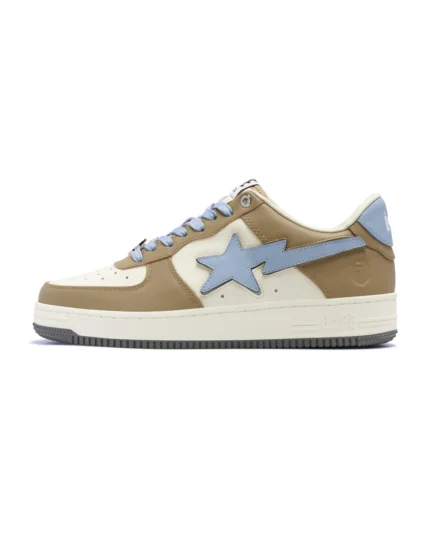
Bape Sta shoes have become more than just a piece of footwear—they are a cultural icon. Born from the creative mind behind the Japanese streetwear powerhouse A Bathing Ape (BAPE), Bape Sta sneakers have captured the hearts of collectors, fashion enthusiasts, and sneakerheads worldwide. From their unique design to their status as a symbol of streetwear prestige, Bape Sta shoes embody a fascinating intersection of fashion, culture, and identity.
Origins of Bape Sta
The Bape Sta shoe made its debut in the early 2000s, a few years after BAPE was founded by Nigo (real name Tomoaki Nagao) in 1993. Inspired by the NBA and basketball culture, Nigo sought to create a sneaker that combined street style with a touch of exclusivity. The Bape Sta drew direct design cues from classic American basketball sneakers, particularly the iconic Nike Air Force 1. However, Nigo added a unique twist: bold colorways, a star-shaped logo, and a distinct “Bapesta” sole that made the shoe instantly recognizable.
Unlike mainstream sneakers, Bape Sta shoes were intentionally produced in limited quantities. This strategy not only created hype but also reinforced BAPE’s brand philosophy: scarcity as a form of desirability. From the outset, these shoes were more than footwear—they were a statement.
Design and Aesthetic Appeal
The most immediately recognizable feature of Bape Sta sneakers is the star logo on the side, a playful reinterpretation of the swoosh or checkmarks seen in other athletic shoes. This simple yet striking design element allows the shoe to stand out in a crowded sneaker market. Beyond the star, Bape Sta shoes are known for their vibrant colorways and creative patterns. Classic releases feature contrasting leather panels, eye-catching metallic finishes, and even camouflage—an aesthetic signature that BAPE is known for.
The materials used also elevate the Bape Sta beyond ordinary sneakers. Premium leather, durable rubber soles, and meticulous stitching ensure that these shoes are not only stylish but also high-quality. Over time, BAPE has also experimented with limited-edition textures, such as patent leather, suede, and even exotic animal-inspired prints, further reinforcing the shoe’s status as a collectible item.
Influence of Hip-Hop and Pop Culture
Bape Sta shoes’ popularity cannot be discussed without acknowledging their deep ties to hip-hop culture. In the early 2000s, the brand caught the attention of American rappers and entertainers, including Pharrell Williams, Lil Wayne, and Kanye West. Seeing these influential figures sport Bape Sta sneakers amplified the brand’s visibility and cemented its place in the streetwear and hip-hop lexicon.
Music videos, magazine spreads, and social media posts featuring Bape Sta shoes fueled the demand even further. Wearing Bape Sta became a signifier of both fashion awareness and insider knowledge of streetwear culture. Over time, the shoes transcended their original basketball inspiration, becoming a symbol of individuality, status, and cultural capital within global fashion communities.
Limited Releases and Hype Culture
One of the most fascinating aspects of Bape Sta sneakers is the hype surrounding each release. Unlike mass-market sneakers, BAPE intentionally produces limited quantities of new colorways, creating a sense of urgency among collectors and fans. Drops are often announced through exclusive channels, including select stores in Tokyo and New York, as well as online platforms. https://bapeshoes.co.uk/bape-sta/
The scarcity-driven model has cultivated a thriving secondary market. Resellers often sell Bape Sta shoes for multiples of their retail price, particularly rare collaborations or unique colorways. For many sneaker enthusiasts, acquiring a pair of Bape Sta sneakers represents a challenge—a pursuit that combines strategy, timing, and luck. This element of exclusivity reinforces the shoes’ appeal and maintains their status as coveted collector’s items.
Collaborations and Special Editions
Bape Sta shoes have been at the forefront of high-profile collaborations, which have significantly contributed to their global allure. BAPE has partnered with brands ranging from Nike to Undefeated, creating hybrid designs that blend signature elements from both parties. These collaborations often feature unexpected color combinations, unique materials, or limited-edition packaging that enhances the shoes’ collectible value.
One particularly notable collaboration is with Pepsi, where BAPE reimagined the classic soda brand’s color scheme on a Bape Sta silhouette. Another example is the partnership with rapper Pharrell Williams’ Billionaire Boys Club, which introduced rare variants adorned with bold graphics and premium leather. These collaborations amplify the exclusivity factor and maintain Bape Sta’s relevance in a constantly evolving streetwear market.
Cultural Significance Beyond Fashion
Bape Sta shoes are not just fashion statements—they are cultural artifacts. Wearing them signals awareness of streetwear history, pop culture, and global fashion trends. Their influence extends into art, music, and social media, where they are celebrated not only for their aesthetic but also for their symbolic meaning.
Collectors and enthusiasts often treat Bape Sta sneakers as investment pieces. Limited editions, rare colorways, and collaborations can appreciate in value over time, making them both fashion statements and financial assets. This dual role contributes to the shoes’ mystique and demonstrates the intersection of consumer culture, art, and commerce.
Controversies and Criticisms
Despite their popularity, Bape Sta shoes have not been without controversy. Critics often point to their high retail prices, the brand’s exclusivity strategy, and the perceived similarities to established sneaker silhouettes like the Air Force 1. While some view these factors as mere marketing tactics, others argue that they raise questions about originality and consumerism in streetwear culture.
Nevertheless, these criticisms have done little to diminish the shoes’ allure. If anything, the debates have fueled discussion and reinforced Bape Sta’s position as a brand that pushes boundaries, challenges conventions, and provokes conversation within the sneaker community.
The Legacy of Bape Sta
Today, Bape Sta shoes occupy a unique position in the sneaker world. They are celebrated for their bold design, cultural significance, and status as symbols of streetwear excellence. From Tokyo to New York, these shoes are recognized globally as a hallmark of fashion innovation.
Bape Sta has also inspired new generations of designers and brands. Many modern streetwear labels cite BAPE as a foundational influence, and the star motif has been emulated, adapted, and reinterpreted in countless creative projects. In this way, the legacy of Bape Sta extends far beyond the shoes themselves—it represents a moment in fashion history when streetwear, hip-hop, and global culture converged.
Conclusion
Bape Sta shoes are more than just sneakers—they are cultural icons that tell a story of creativity, exclusivity, and global influence. From their Japanese origins to their status as hip-hop staples, these shoes reflect a unique fusion of design, artistry, and cultural relevance. Limited releases, high-profile collaborations, and bold aesthetics ensure that Bape Sta sneakers remain at the forefront of streetwear fashion. Whether appreciated for their design, collected as rare items, or celebrated as symbols of pop culture, Bape Sta shoes exemplify how a simple pair of sneakers can become a global phenomenon.